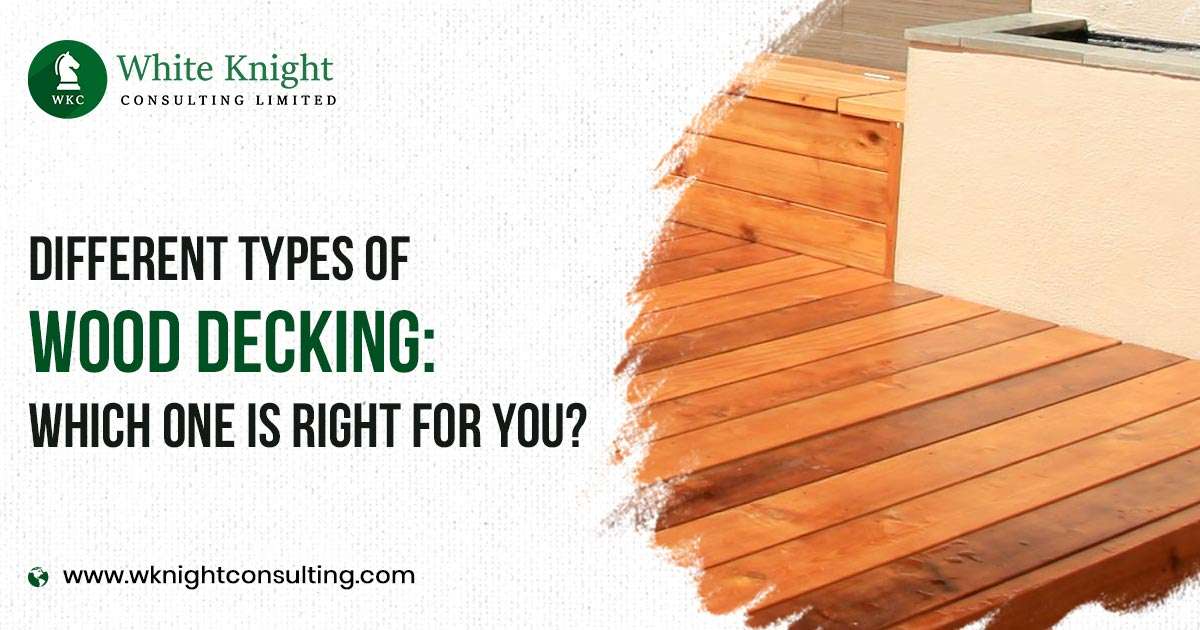
A wooden deck is a type of wooden platform generally used outside a house (on the lawn) or in a boat or other buildings. Wood decking refers to the use of wood to build a deck.
Wooden deck is generally used as an area for leisure, entertaining, and enjoying outdoor activities.
Wood is a popular choice for outdoor decking due to the natural beauty and warmth it provides to the ambience.
It not only enhances the aesthetic appeal of your home or building but also adds a functional and practical area just outside your place. However, the best wood for your deck will depend on your budget, your desired aesthetic, and the conditions in which your deck will be located.
Wood decking comes in many options in terms of the type of wood, which include pressure-treated wood, cedar, redwood, plywood, tropical hardwoods, and softwood.
Each of these wood decking types comes with its own unique characteristics like appearance, durability, and maintenance requirements.
How Is a Wood Deck Built?
To build a wood deck, appropriately-sized wooden boards or planks are attached to a subfloor made of beams, joists, and posts.
The decking boards are typically laid perpendicular to the supporting beams and then fixed using screws or nails.
There is some spacing left between the panels to allow for ventilation and drainage.
Wood is a favourite material choice for decking for obvious reasons. It gives a natural appeal to the place and a warm feeling under your feet.
Wood decking requires regular maintenance as wood can be affected by weathering, rot, and insect damage.
To care for wood decking, it needs regular cleaning, staining, painting, sealing, and occasional repairs to maintain the deck’s life and appearance.
Types of Wood Decking
When it comes to choosing a wood deck, there are many options available in the market.
There are several different types of decking wood options for you to choose from. Here are some of the most common types of wood decking:
Hardwood Decking
Tropical hardwoods like Ipe, Cumaru, and Teak are extremely popular decking options.
These woods are known for their exceptional strength and durability and are naturally resistant to decay, moisture, and insects.
Hardwoods with their darkish appearance can give a luxurious but natural look to your decking.
They might require regular maintenance to maintain their appearance & quality.
Hardwood decking can be more expensive than alternatives because of the high demand and limited availability of popular decking hardwoods.
Softwood Decking
Softwoods are another wonderful option for home decking with low or moderate foot traffic.
They can provide tremendous aesthetic appeal to your deck along with sufficient strength and durability.
The most popular softwood decking choices are pine, fir, and cedar. Softwoods which are not naturally resistant to moisture can be finished or chemically treated to enhance their durability.
Cedar, which is a softwood, has extraordinary strength and high natural durability in terms of resistance to termite attack and moisture, which is why it is one of the most popular softwood options for building wood decks. It’s also very affordable and easy to work with.
Softwood decking is less expensive than hardwood decking but requires more maintenance to preserve its beauty and quality over time.
It might also need more frequent repairing, sanding and staining, which can make it expensive to maintain.
Pressure-Treated Wood Decking
Pressure-treated wood is a popular choice for decking due to its affordability and durability.
It is typically made from a softwood like Southern Yellow Pine that is chemically treated to enhance its strength and characteristics such as resistance to rot, decay, and insect attack.
Because softwood decks are not extremely durable and have low resistance to moisture and insects, they need high maintenance and can be expensive in the long term.
However, when these woods are treated with certain chemicals prior to using them to make decks, this might enhance their durability and rot resistance, making them a better fit for decking.
Composite Wood Decking
Composite wood is made by combining wood particles, fibres, recycled plastics, and adhesives like glue.
It is a strong and low-maintenance option that looks like natural wood and offers enhanced resistance to moisture, fading, stains and mould at a low initial cost. Composite decking comes in many colour and texture combinations.
Other than wood, PVC (polyvinyl chloride) and aluminium are other popular choices for decking.
Choosing the Right Type of Wood Decking
When choosing wood decking, you must consider many factors, including your particular requirements and budget.
Here are some tips to help you choose the right decking type:
Consider the Cost: Determine how much you are ready to spend on your new deck. Based on your budget, you can filter out the best available options in the market.
Different types of wood decking come at different prices. While softwood and pressure-treated wood decks are among the most affordable options, tropical hardwood decks can be the most expensive.
Determine the Durability: Figure out the level of durability you need in your decking project.
More durable hardwood decking with higher strength and density is generally more expensive than softwood decking with moderate durability.
Enquire about the Maintenance needs: Think about the level of maintenance you are ready for. Some options, like softwood decks, require regular maintenance with frequent staining, sealing, cleaning, or painting to protect them from going bad. Hardwood decks, on the other hand, require less maintenance but are more expensive.
Evaluate Resistance to Moisture & Insects: Consider the environmental and weathering conditions in your area to determine the right kind of wood decking for you.
Some decking options provide better resistance to moisture and insect attack than alternatives. Research and choose wisely.
Consider the Appearance: You might be looking for a deck that matches your ambience & styling needs.
Different wood species have different appearances due to their unique colours and grain patterns.
While hardwoods and softwoods can offer limited options, pressure-treated decking can have an unlimited variety to fit whatever appearance you need.
Sustainability and Environmental Impact: Given the rising impact of deforestation on the environment, you might also want to consider the environmental impact of the decking material you choose.
If so, you can look for sustainably sourced wood options or consider engineered wood options like composite decking made from recycled materials.
Slip Resistance: You must also consider the slip resistance of the wood when choosing your decking material.
Try to keep your wood decking free from moss and algae to avoid slipping accidents.
Still not sure which wood decking is right for you? Contact us to consult with a professional woodworking expert or a specialist at White Knight Consulting Ltd.
We can provide guidance with expert help in choosing the right decking wood based on your preferences, budget, and area conditions.